Economic output in current US dollars
World Bank source ↗Beyond the quick facts
Nigeria
in depth.
A federation of enormous scale
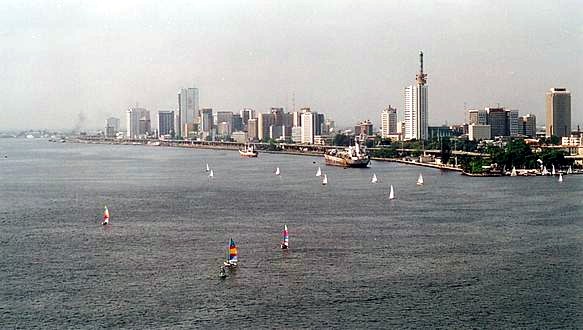
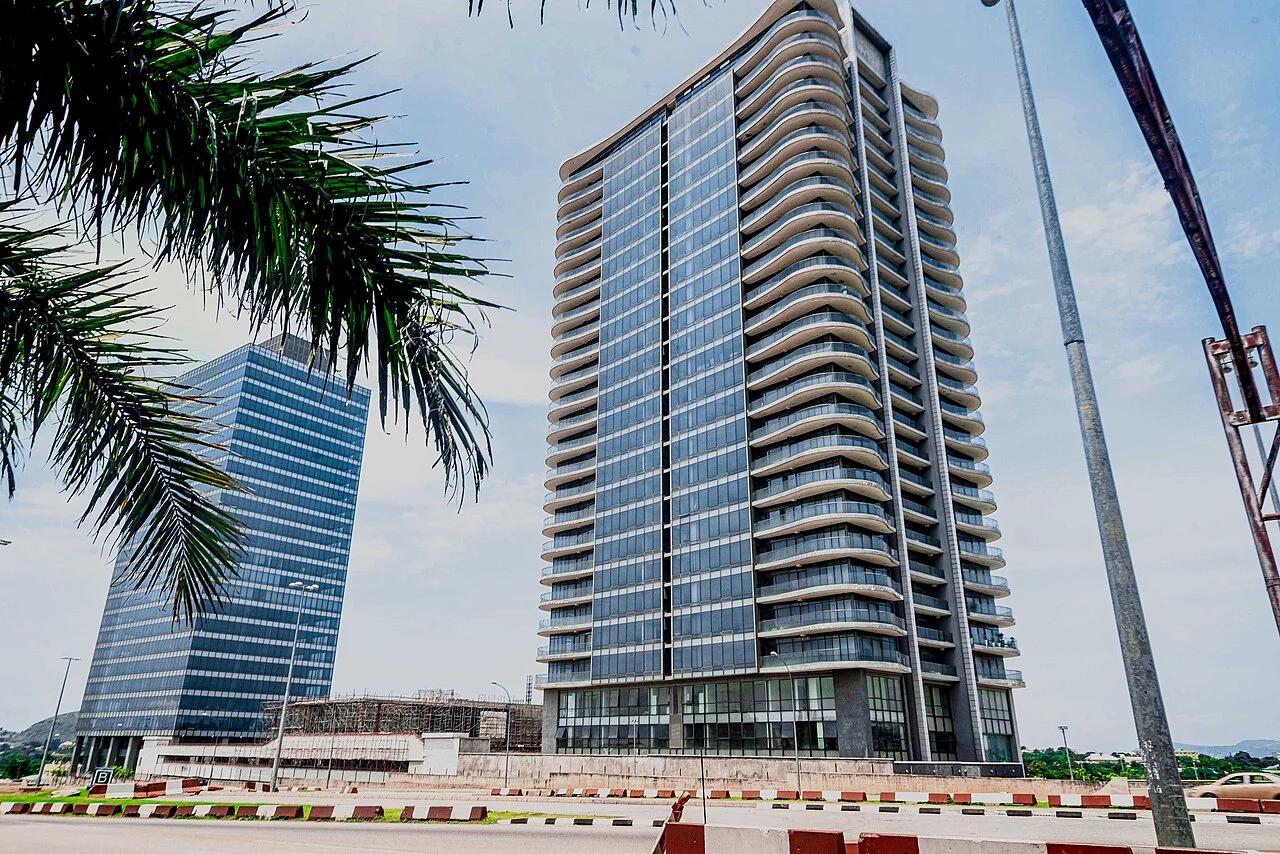
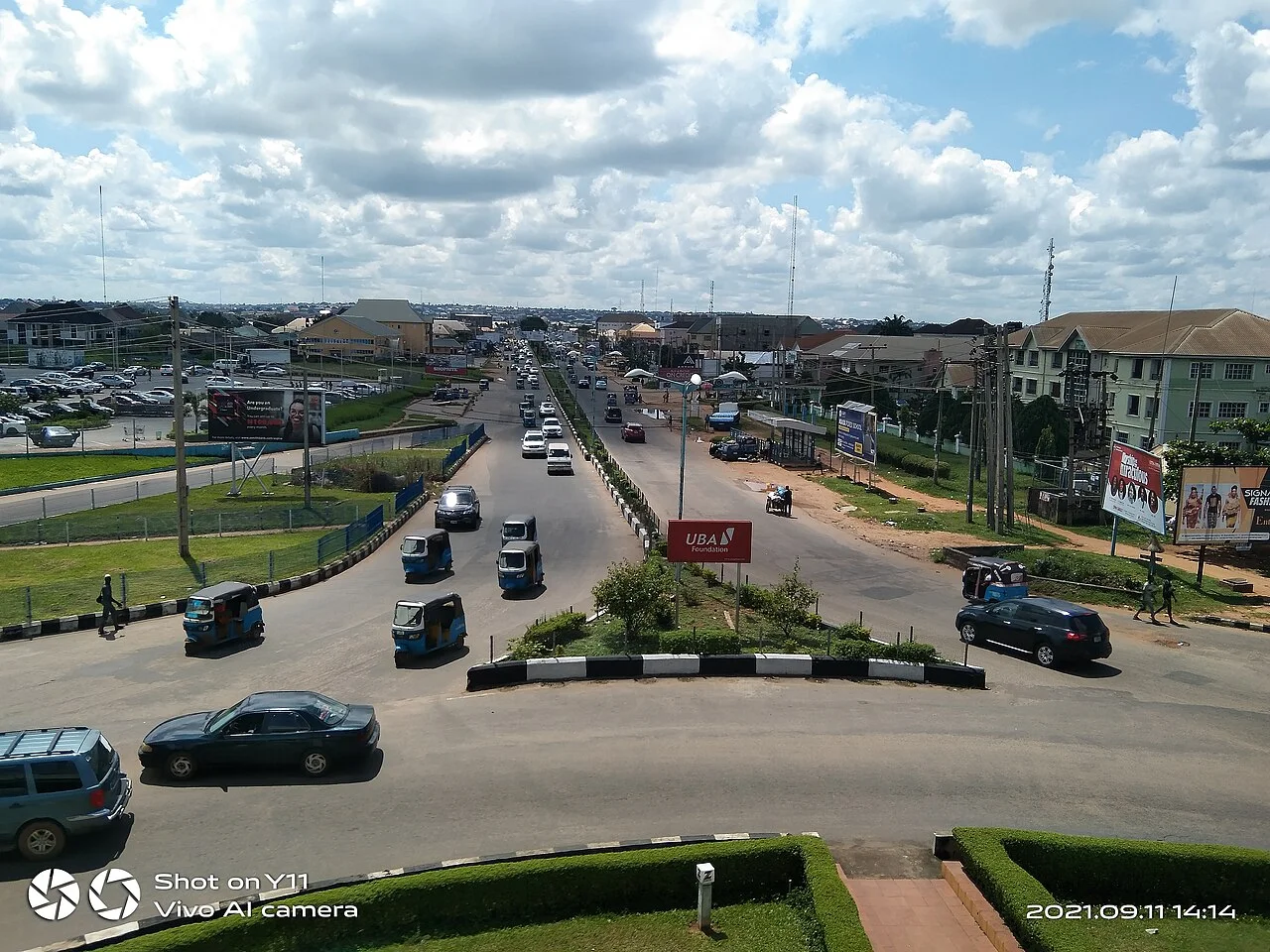
Nigeria is organised into 36 states and the Federal Capital Territory. Its population is larger than that of any other African country, while Lagos operates as one of the continent’s largest urban and commercial systems.
More than one Nigeria
Hundreds of ethnic communities and languages coexist across the country. Hausa, Yoruba and Igbo are among the most widely spoken Nigerian languages, while English is the official language used across federal institutions.
A global sound laboratory
Afrobeats, highlife, juju, fuji and many local traditions connect Nigerian cities to global audiences. Artists including Fela Kuti, Burna Boy, Wizkid, Tems and Omah Lay have helped reshape contemporary popular music.
Nollywood’s production engine
Nigeria’s screen industry built a vast audience through resourceful, fast-moving production and direct distribution. Today its films and series travel across Africa and a worldwide diaspora.
From rainforest to Sahel
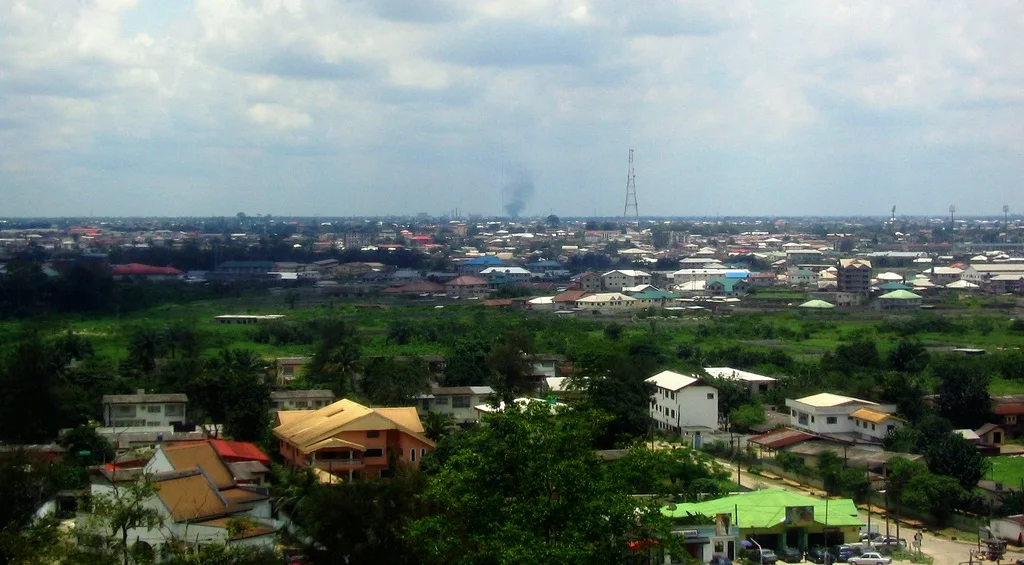
The country stretches from mangrove-lined Atlantic coasts and the Niger Delta through forest and savanna to the drier landscapes around Lake Chad, creating sharp environmental contrasts.
A young, inventive economy
Oil remains economically important, but technology, finance, entertainment, agriculture and small enterprise shape everyday activity. Lagos is a major African startup and creative-industry centre.
Kingdoms before the republic
Benin, Oyo, Kanem-Bornu, Nri and other states developed sophisticated political and artistic traditions long before British colonial rule. Their histories remain central to modern regional identities.
Food that travels
Jollof rice, suya, egusi soup, moi moi, pepper soup and countless regional dishes form one of Africa’s most recognisable culinary traditions—accompanied by a famously energetic debate about the best jollof.